Sapporo SIAF residency
Date
Supported by
Location
Description
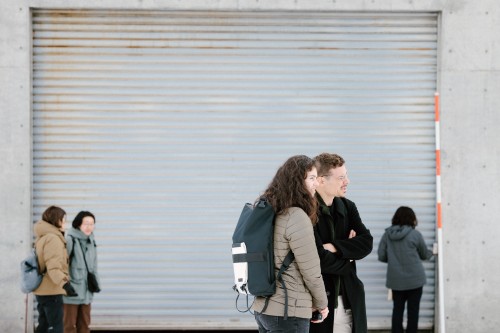
From February 28 to March 15, we undertook a two-week research residency in Sapporo and Tokyo. We were invited and supported by the Sapporo International Art Festival (SIAF), with additional support from the Embassy of Switzerland in Japan as part of the Vitality.Swiss program.
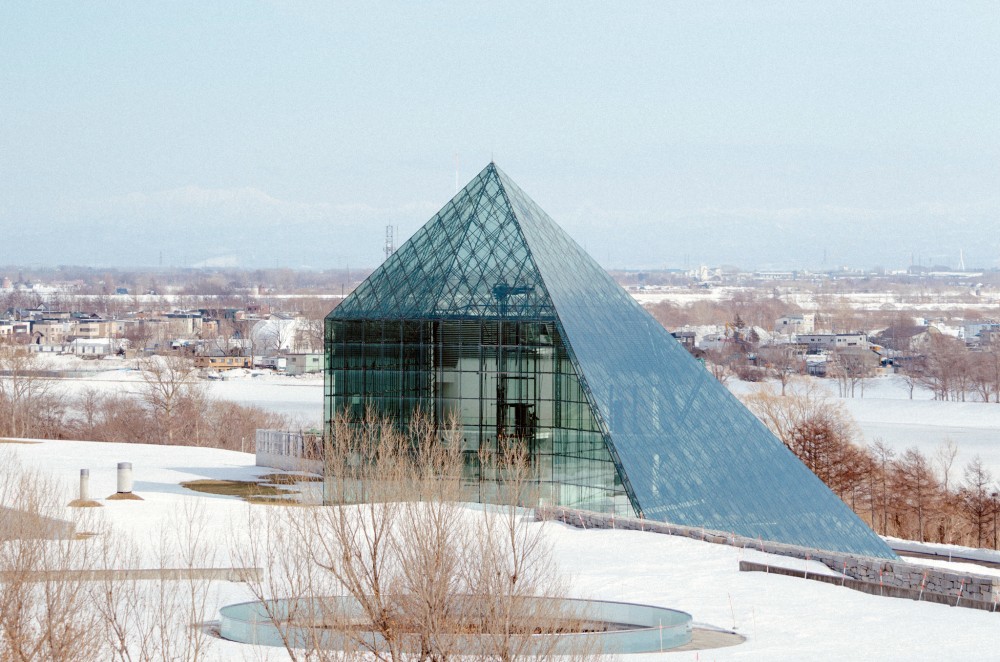
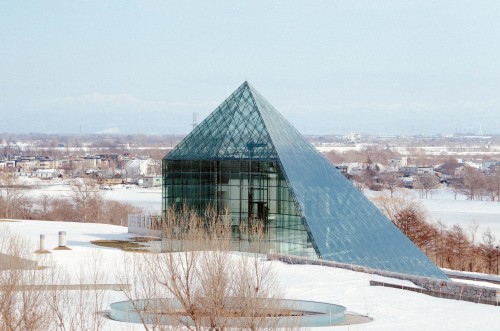
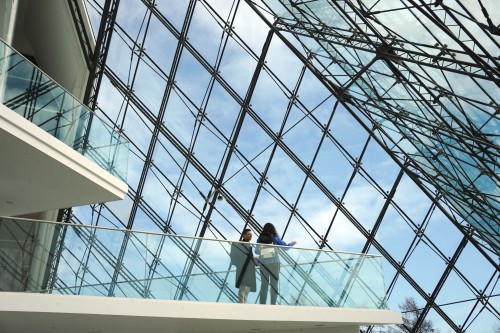
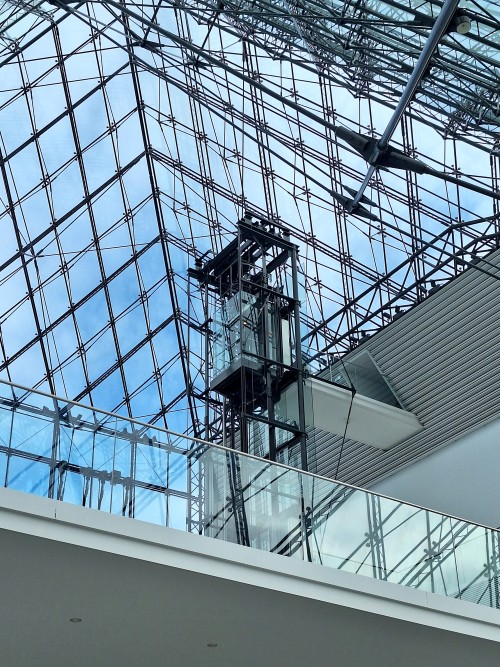
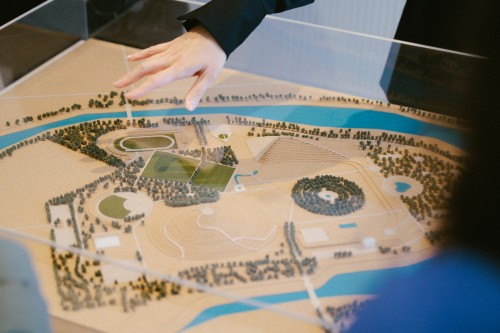
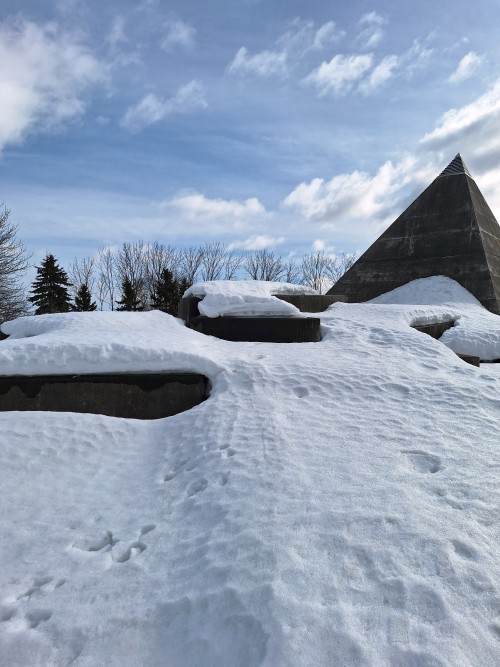
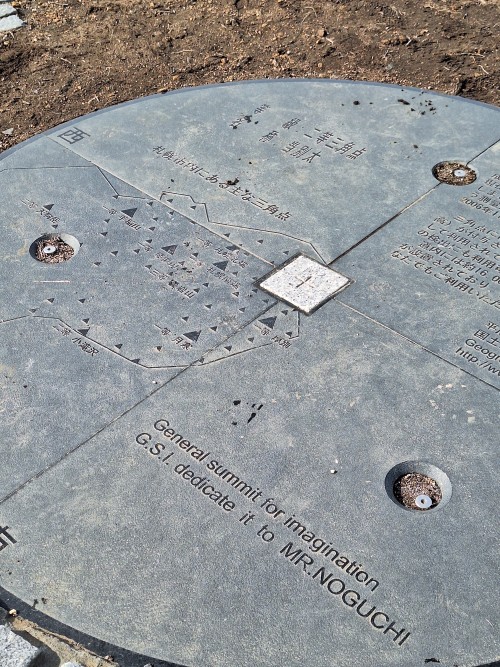
In January 2027, we will present a newly commissioned work, inspired by our research in Japan, during the festival as part of Planet Snow at SIAF 2027. This piece will be exhibited inside the Glass Pyramid at Moerenuma Park. The park was designed by Isamu Noguchi as a large-scale sculptural landscape and is one of the key venues of SIAF.
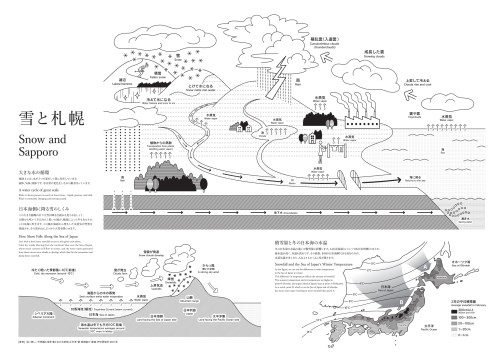
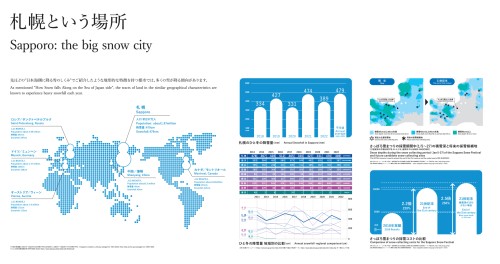
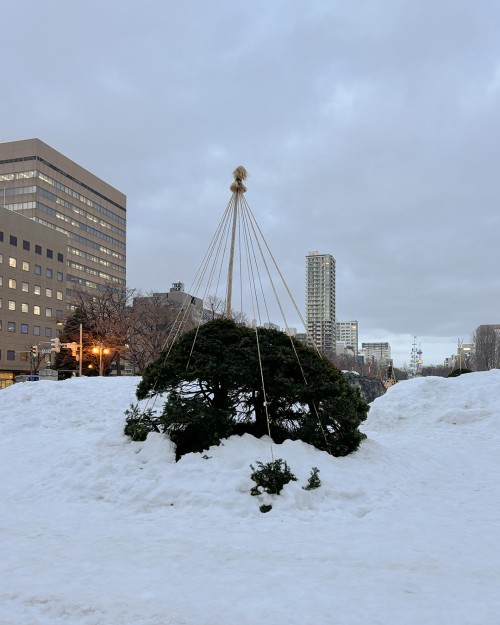
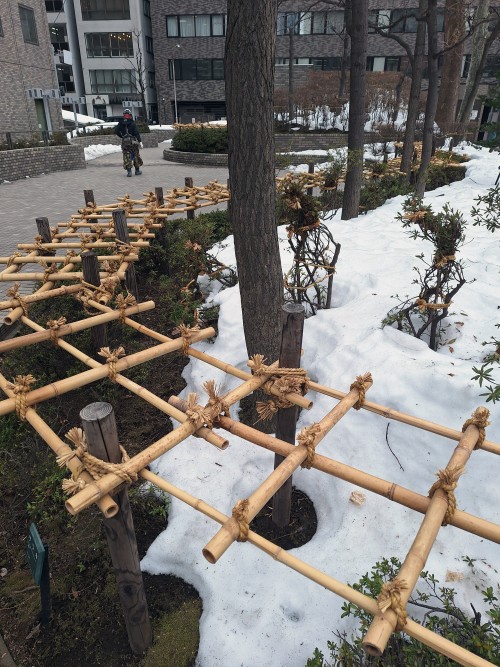
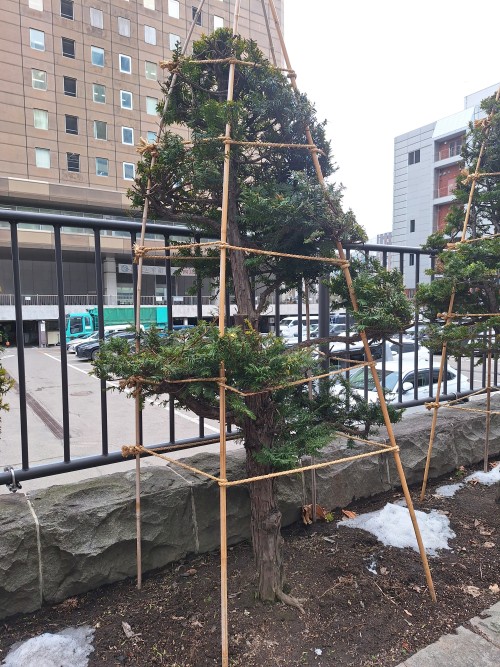
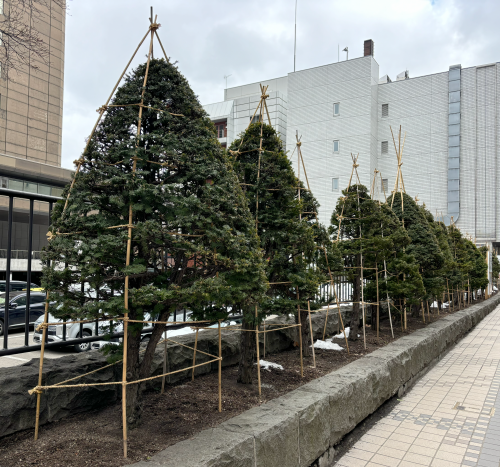
From a distance, we were aware of Sapporo’s deep relationship with snow, one of the snowiest cities in the world. We were particularly interested in the infrastructures around it: how snow is managed, how its abundance shapes urban life, and how residents experience it daily. During our preliminary research, we discovered yukizuri, bamboo structures installed on trees to relieve branches from the weight of snow.
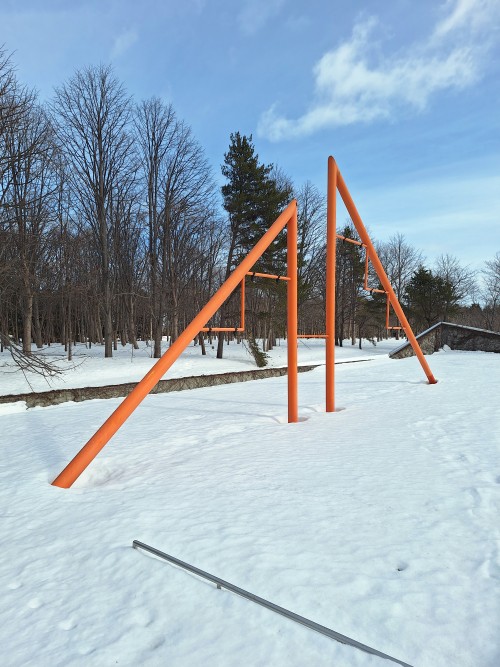
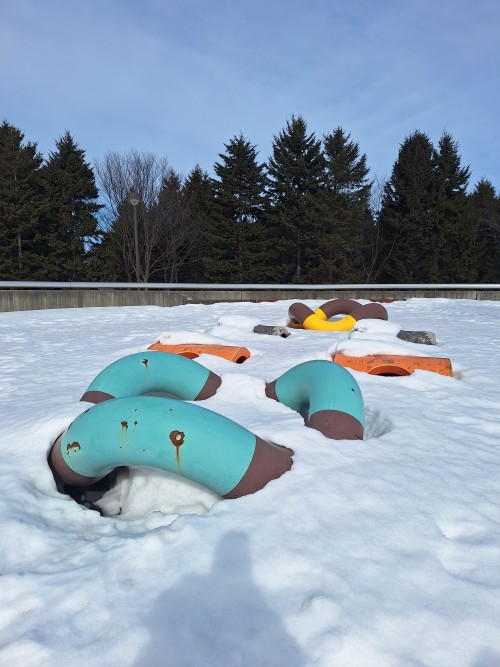
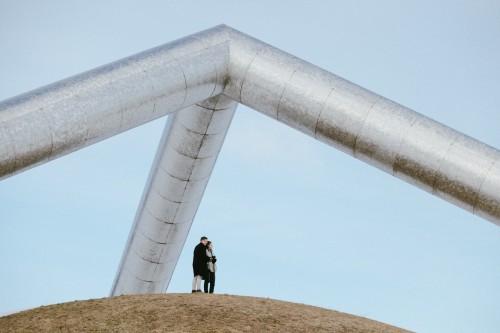
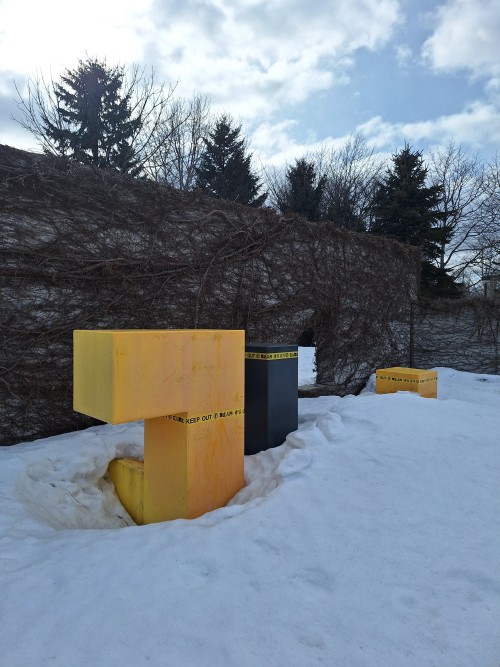
In Moerenuma Park, we navigated geometric landforms, the iconic glass pyramid, and colorful playgrounds. The park is structured through a strong geometric language, echoing Sapporo itself, a city organized on a grid. We were struck by how snow transforms this geometry: softening edges, blurring lines, reshaping volumes. Each angle becomes a bevel, each line a curve, each cube a small mountain. Snow dissolves boundaries, generating new pathways and connections—allowing movement across obstacles otherwise impassable.
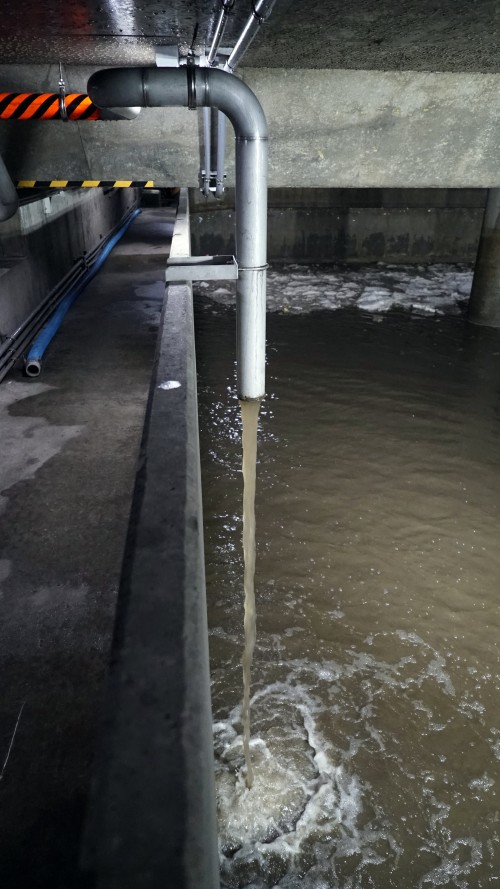
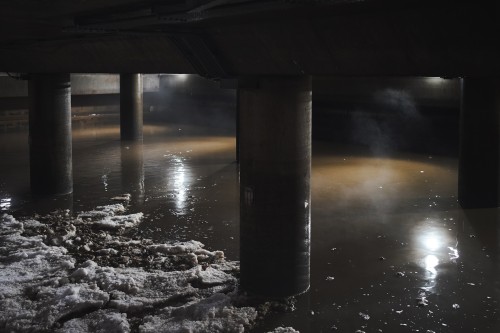
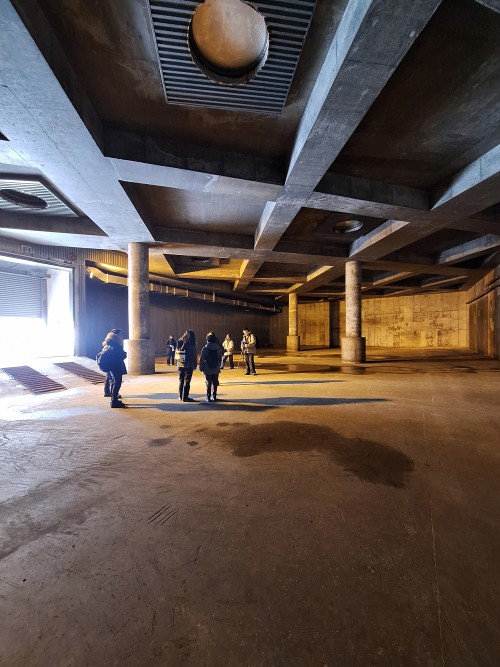
However, this abundance also brings challenges. For residents, it requires constant effort to maintain everyday life. Throughout winter, snow is displaced into empty zones, transported into rivers, or melted in underground pits. In some cases, it is preserved as “cold energy,” stored and reused in spring and early summer.
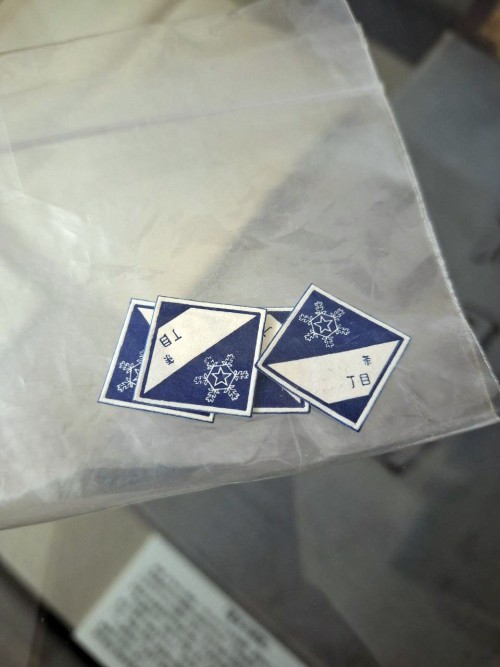
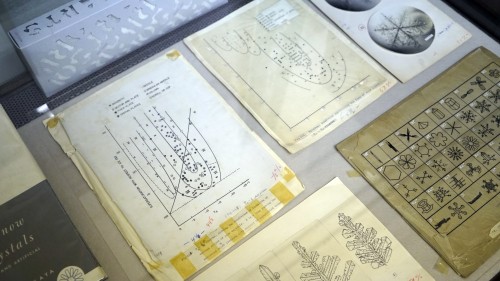
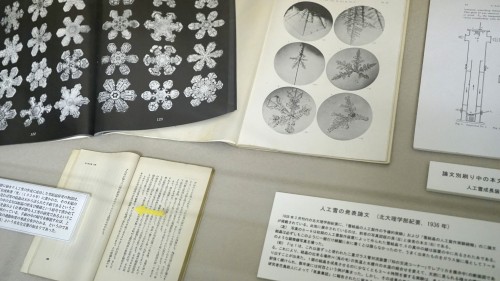
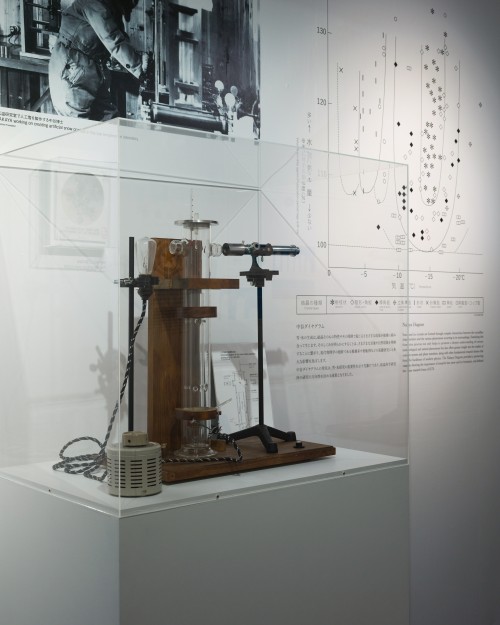
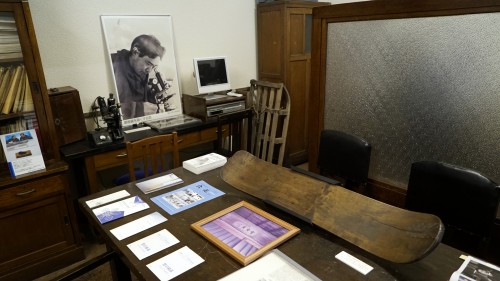
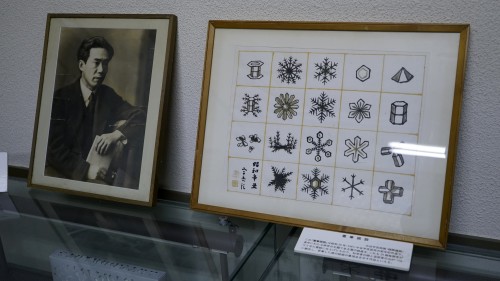
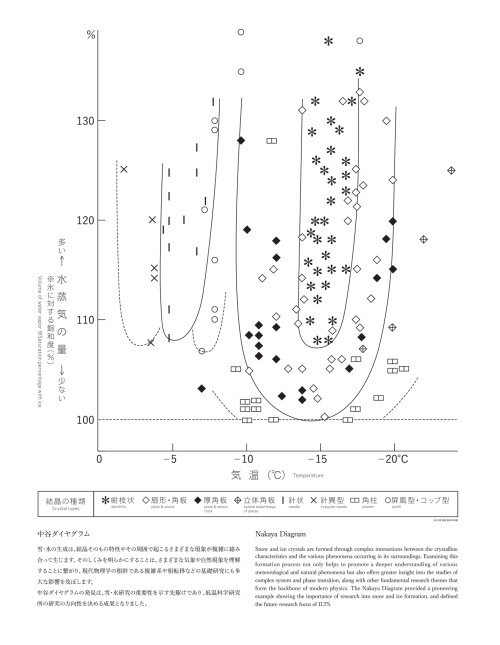
During our research trip in Japan, we also encountered the work of Ukichiro Nakaya, the physicist who created the first artificial snowflake and pioneered the study of ice crystallography. We met Dr. Yoshinori Furukawa, who continues research in this field, and explored Nakaya’s experimental methods, including his paper snowflakes released from aircraft to better understand snowfall patterns. This journey—from the vast accumulation of snow to the singularity of the snowflake—highlighted the tension between scale, fragility, and precision.
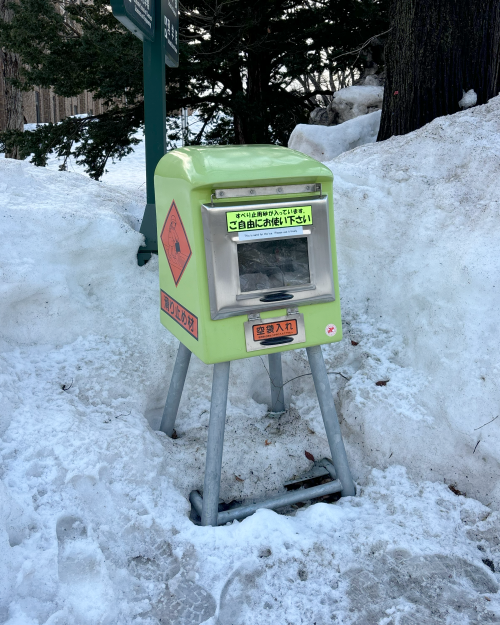
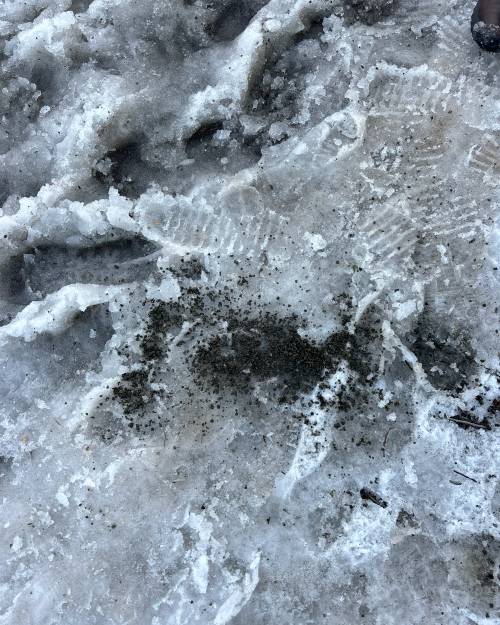
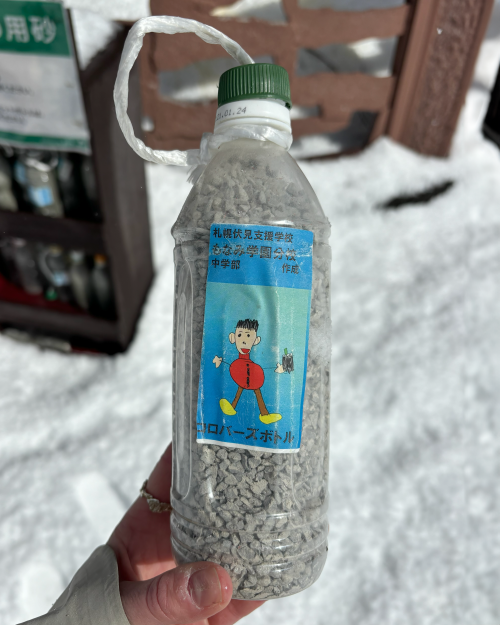
We also engaged with contextual materials embedded in everyday life in Sapporo. One striking example is the use of black volcanic sand spread over snow-covered surfaces to create walkable paths. Visible throughout the city, it can be picked up by hand and used to shape one’s own trajectory through the snow. At the end of winter, this material remains as one of the few traces left after the snow has melted, offering a strong contrast with snow: dense, dark, and permanent.
Finally, we are interested in collaborating with local craftspeople. In this context, we met Hidenobu Takahashi from Smileneon, a workshop specialized in traditional neon production. Neon lighting is deeply embedded in Japanese visual culture, and its presence in urban landscapes accompanied our residency throughout. Working with this traditional expertise is particularly meaningful at a time when neon is increasingly replaced by LED technologies.
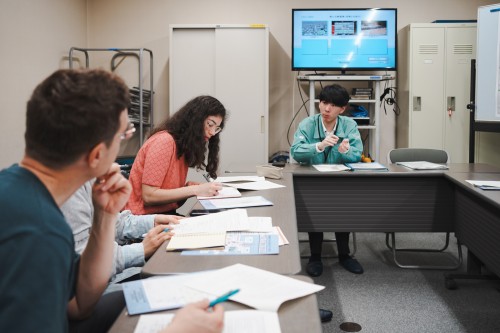
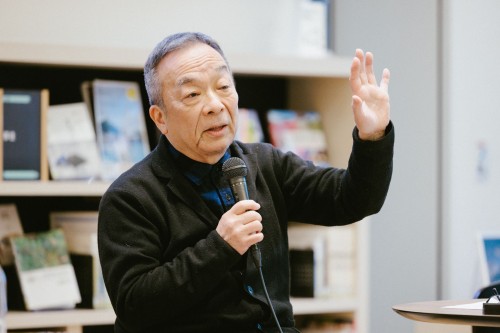
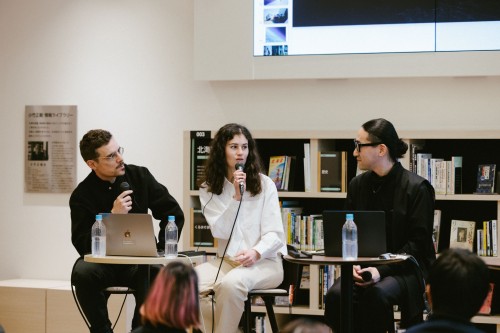
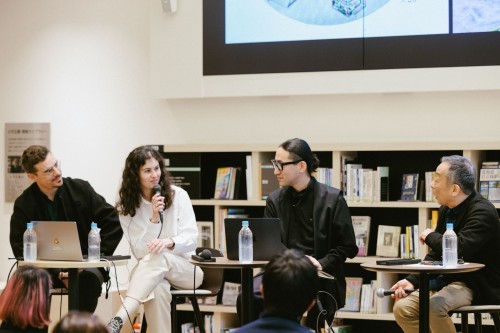
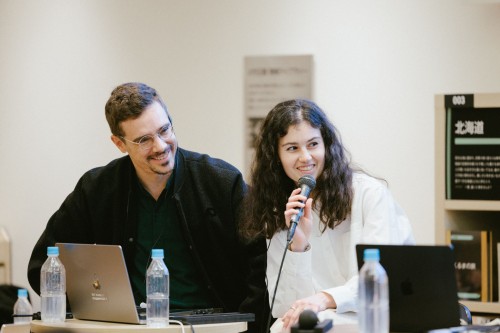
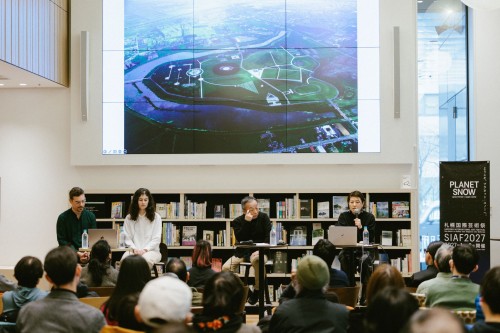
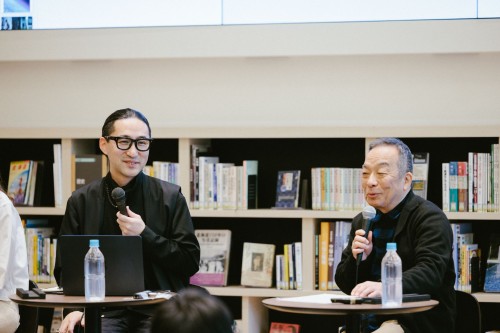
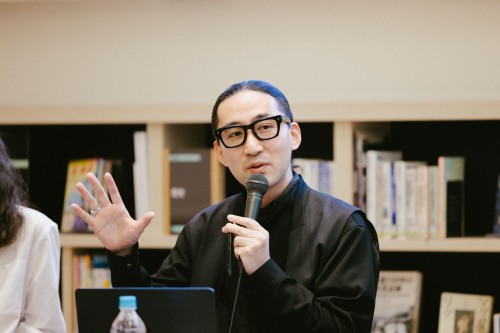
In the middle of the residency, we took part in a public talk alongside other contributors, including Masaki Fujihata (Executive Director of Dialogue on Art and Technology, DAT), fashion designer Yuima Nakazato, and Asami Hosokawa (Festival Director of SIAF2027). The discussion focused on artistic research, technology, and the future exhibition at Moerenuma Park. This open format provided an opportunity to share initial research insights and to exchange perspectives on the development of the upcoming exhibition at the park.
Glass pyramid
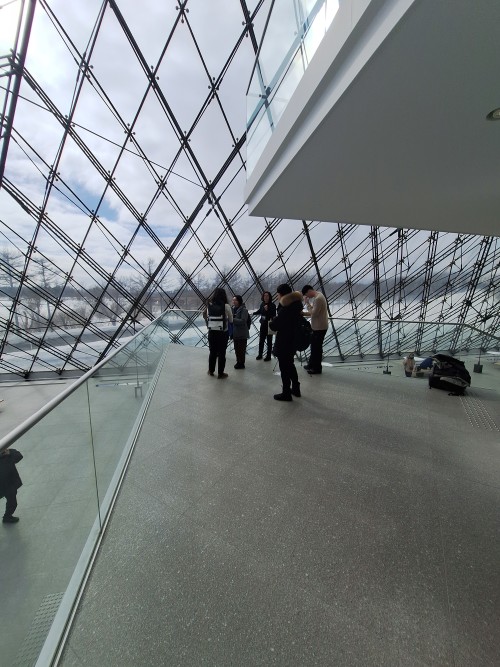
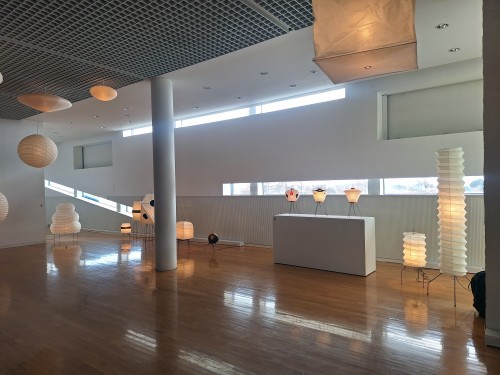
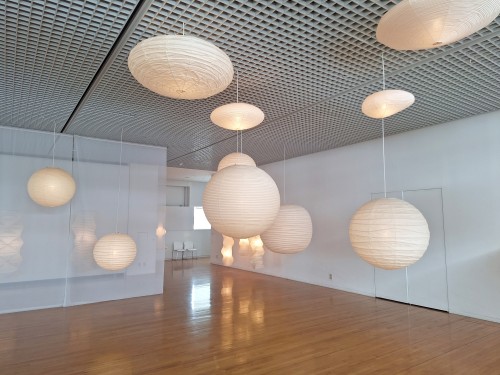
Moerenuma Park
Snow melting pit and cold storage
Yukizuri / Yukigakoi
Crystallography
Talk
Black sand